
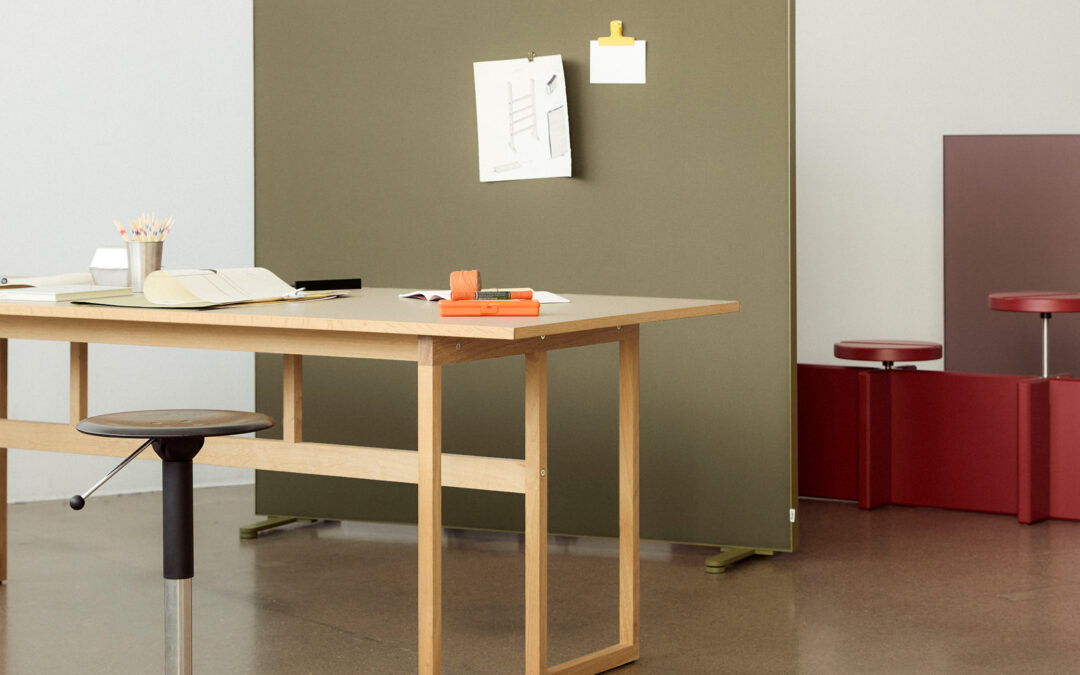
The Supersonic Floor Screen. Reframed.
The Supersonic Floor Screen steps forward with a significantly upgraded material profile and a sharper proposition: effective acoustic zoning, flexible space division and long-term adaptability in one freestanding system.
Designed to create separation without permanent architecture, it works across Workplace, Learning, Care, Hospitality and Public environments, adapting to different activities, layouts and spatial needs.
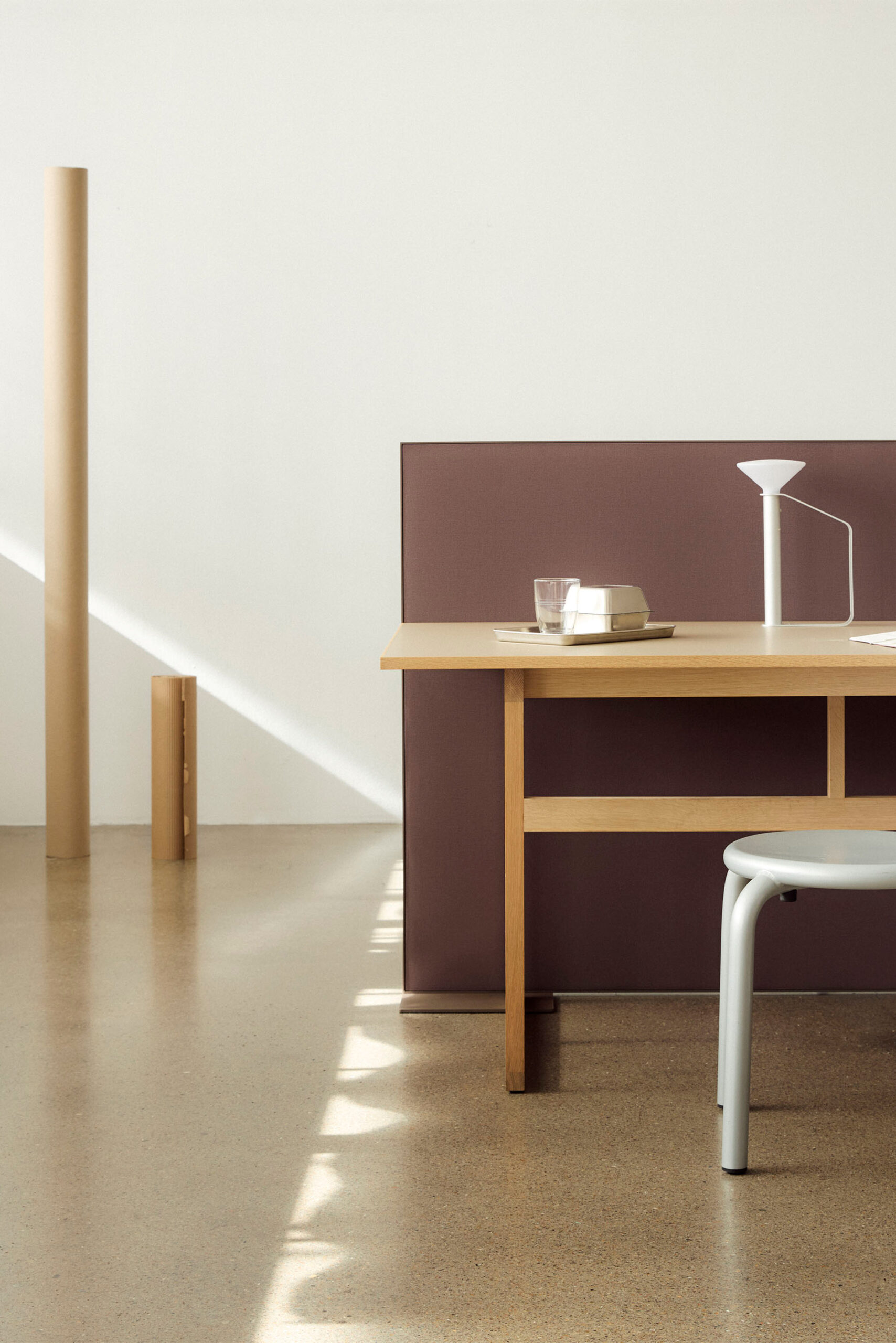
Better materials. By design.
The material profile has been significantly upgraded, increasing recycled content across the key components:
- Frame: 75% → 100% recycled aluminium, now using Hydro CIRCAL® 100R
- Acoustic core: 50% → 75% recycled PET fibres
- Canvas: Remains 100% recycled polyester, front and rear
Better materials. Same fundamental simplicity.
Made for spaces that change.
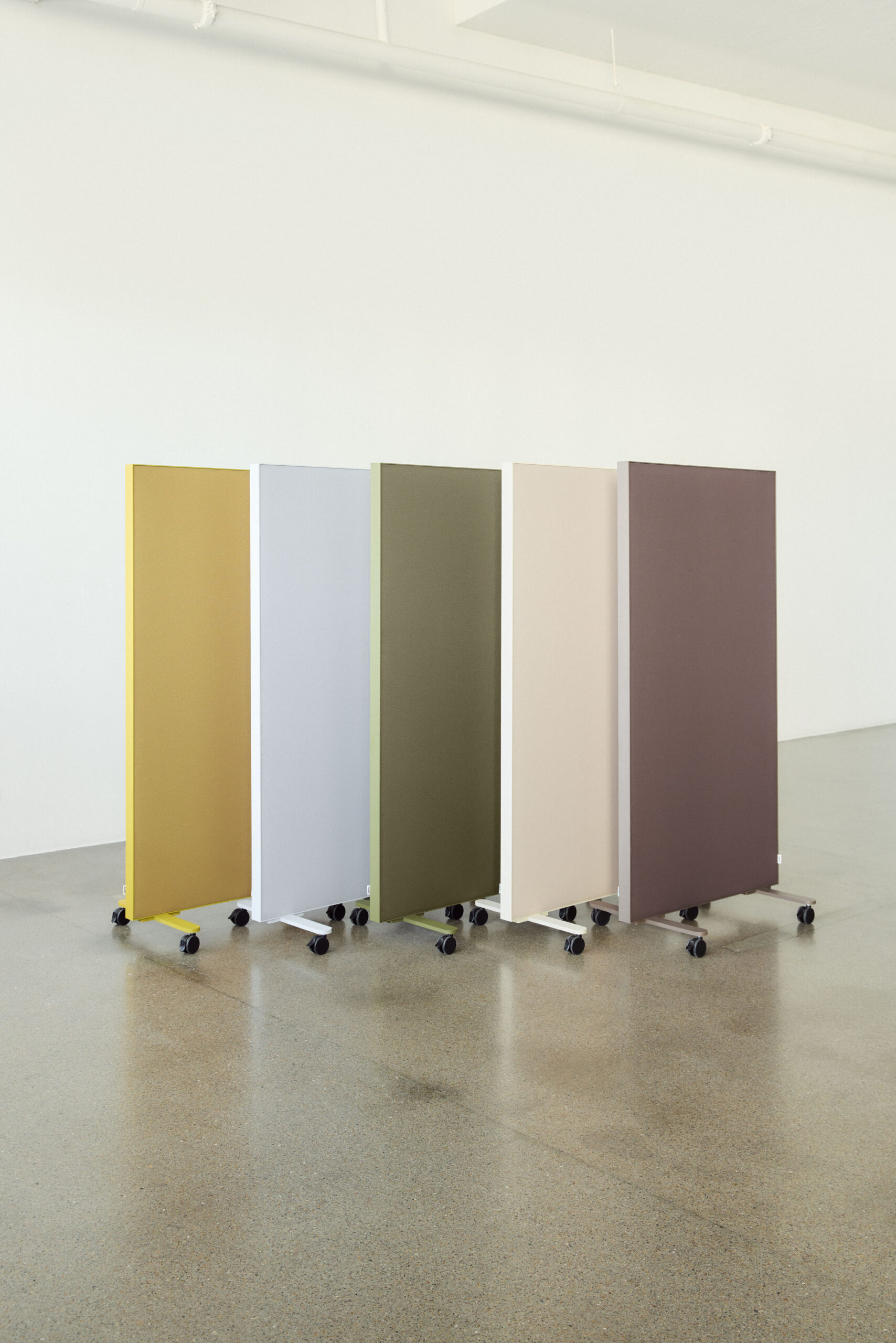
Multiple standard formats, bespoke dimensions and three base options make the Floor Screen easy to adapt to different spaces and applications.
Choose between flat, elevated or wheeled bases, with the wheeled option adding mobility as layouts and activities change.
24 standard frame colours and 24 coordinated canvas colours offer further flexibility, with matching, contrasting or tonal combinations to work with the surrounding interior. Raw Aluminium is also available upon request.
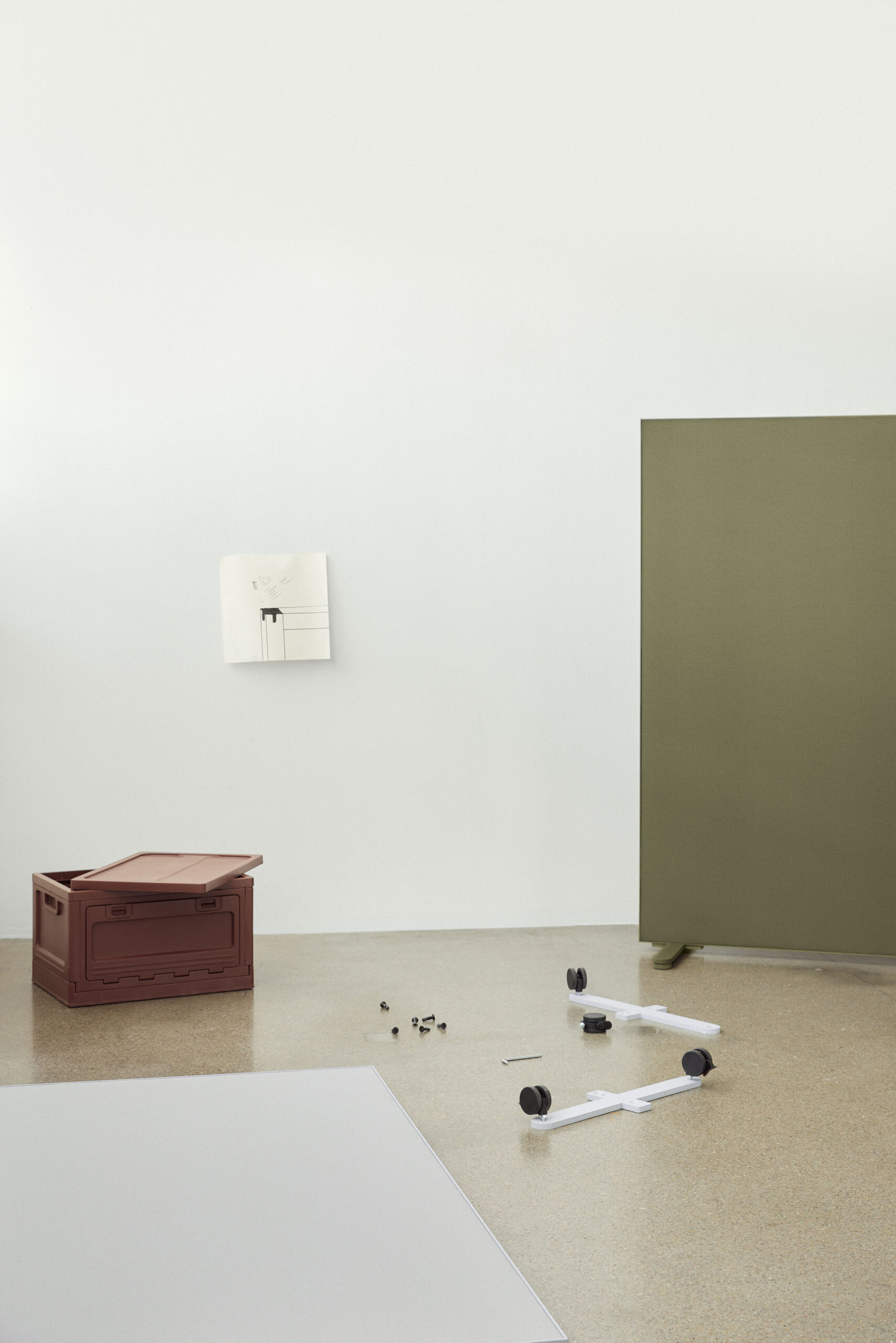
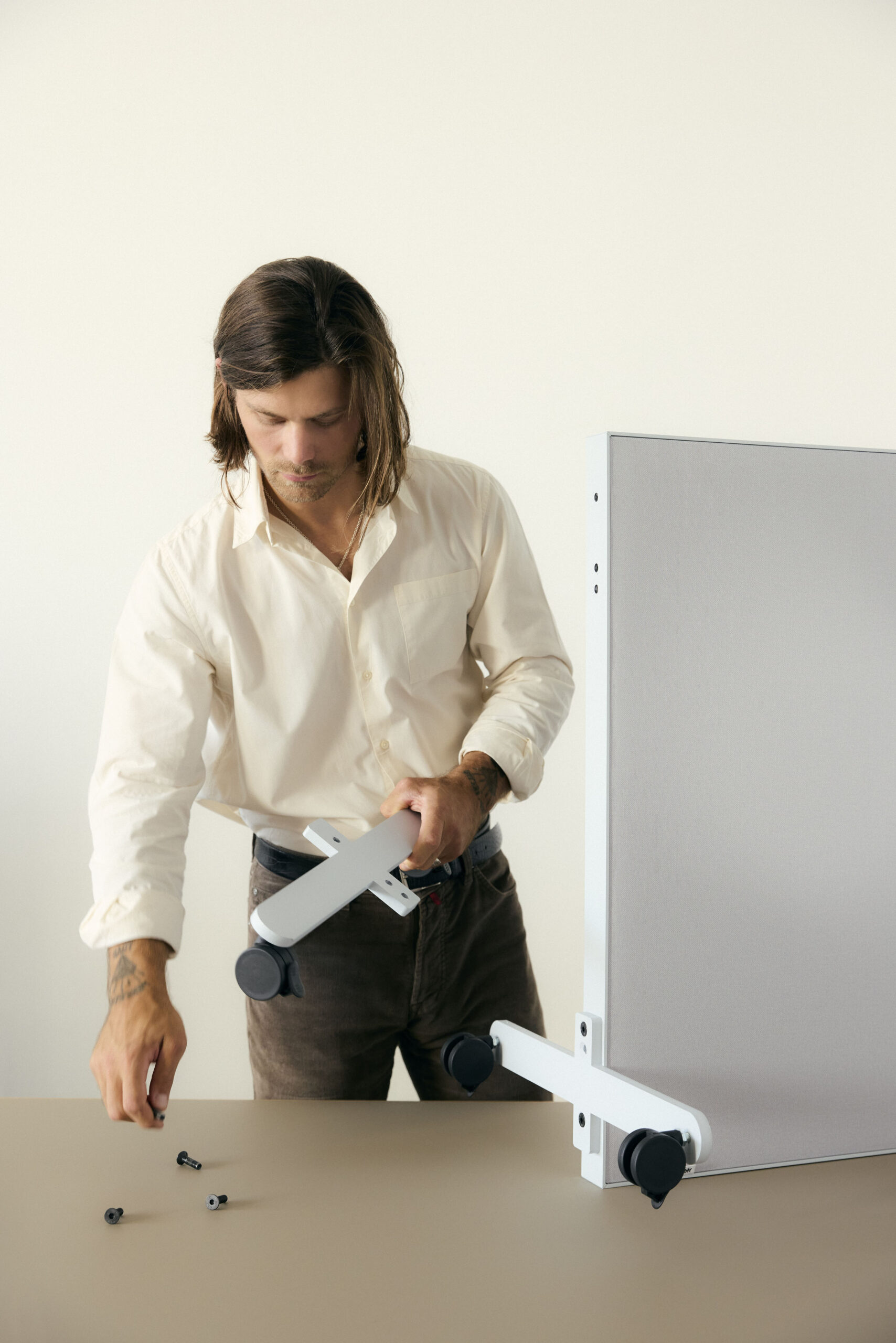
Change the parts. Keep the product.
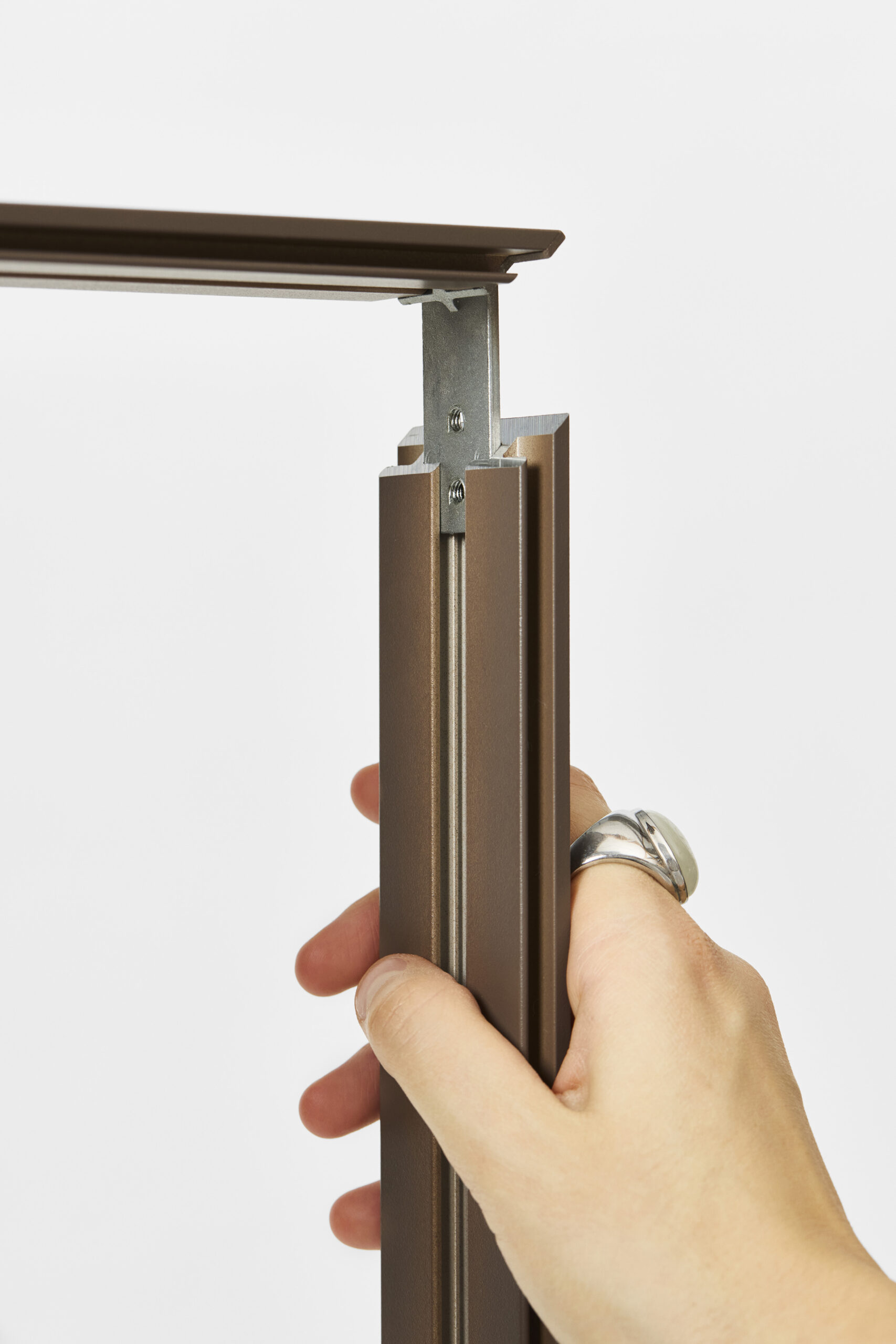
The Floor Screen is mechanically assembled and designed for disassembly, allowing it to be demounted, repaired and individual components replaced when required.
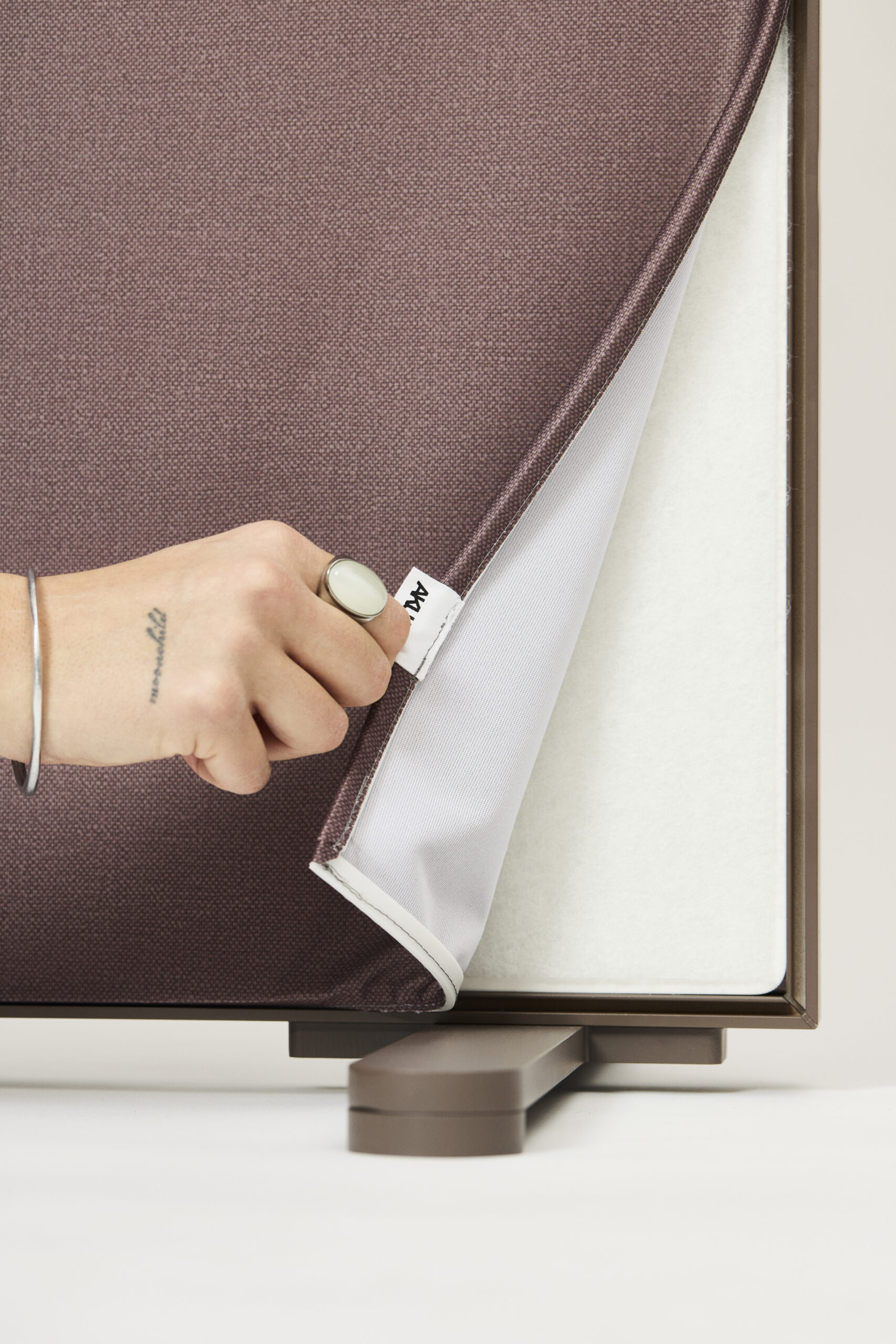
Front and rear canvases can be replaced independently, making it possible to renew the visual expression without replacing the acoustic core or frame. The canvas is also machine washable at up to 60°C, supporting continued use over time.
Performance, documented.
At its core, the Supersonic Floor Screen uses a Class A acoustic absorber, providing highly effective broadband sound absorption. Its double-sided construction creates a large active absorption surface, while the screen itself acts as a physical barrier in the direct sound path. Together, this supports effective acoustic zoning and separation in open and shared environments.
Performance is independently tested at DTU according to ISO 354 and evaluated according to ISO 20189.